

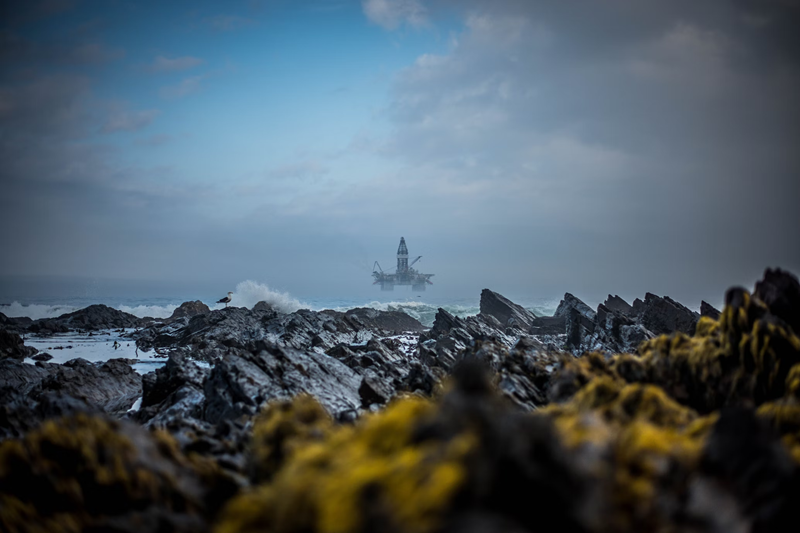
 Offshore drilling undoubtedly has its benefits. The extraction of natural gasses and crude oil from beneath the ocean floor has enabled the world to meet its increasing energy demands, enabling the lighting up of homes, fueling transportation systems, and powering industries.
However, accessing these vast natural reserves also comes at a cost to the environment resulting in increasing pressure from society to transition to cleaner and more sustainable methods of energy production. In this article, we will examine some of the ways offshore drilling can negatively impact the environment.
Destruction of Marine Life
The large-scale infrastructure required to undertake offshore drilling can have a detrimental effect on marine life and the sensitive ecosystems that support it such as seagroves and coral reefs. The construction of oil rigs and pipelines can disturb these natural habitats and cause changes to the seafloor which can displace marine organisms and alter the physical and chemical properties of the ocean floor.
Additionally, the drilling process can release toxic chemicals into the water such as heavy metals, drilling fluids, and hydrocarbons which cause pollution, leading to disruptions in the food chain as well as poisoning of marine life.
Threats to Wildlife
Wildlife such as marine mammals, birds, and fish are at risk of ingesting oil or being exposed to toxic chemicals released during offshore drilling activities. Oil spills not only lead to contamination of water but can coat the fur and feathers of local wildlife. As a result, birds may be unable to fly and search for food, while marine mammals can experience difficulties in swimming, hunting, and maintaining their body temperature. These issues can lead to starvation, drowning, and hypothermia of local wildlife as well as poisoning and damage to their internal organs which can lead to their untimely death.
They can also severely impact the breeding patterns of these animals and lower their chances of survival causing animal rights activists to demand legal action. However, they must also ensure they stay on the right side of the law as engaging in unlawful activities, such as trespassing on private property or disrupting offshore drilling operations can result in criminal prosecution. You can find more information on the relevant criminal law aspects in Edmonton, Alberta by contacting Liberty Law, a top-rated Edmonton criminal lawyer.
Air Pollution
The process of extracting oil and gas through offshore drilling significantly contributes to greenhouse gas emissions. According to Oceana's findings, permanently protecting all federal waters from new offshore drilling could prevent more than 19 billion tons of greenhouse gas emissions. This is equivalent to almost three times the total annual emissions of the U.S., or the same as taking every car in the nation off the road for 15 years.
Methane can escape from beneath the ocean during the extraction process, contributing to global warming as it is much more effective at trapping heat than carbon dioxide in the short term. Exploration and drilling can also release volatile organic compounds (VOCs) and other air pollutants into the air, leading to acid rain and smog that can cause respiratory problems for local communities.
The emissions associated with the construction of oil rigs, drilling operations and the transportation of extracted oil and gas is also significant, further contributing to the industry’s overall carbon footprint.
These are some of the primary environmental concerns associated with offshore drilling.
